

Affiliate Disclosure: Some products recommended on this page may contain affiliate links. If you purchase through one of these links, Bad Attitude K9 may receive a commission at no additional cost to you. We only recommend products that may be useful for dog owners and training clients.
Recommended Dog Training Tools & Equipment
Professional dog training equipment and supplies recommended by Bad Attitude K9 to help owners build better communication, structure, obedience, and control.
This page explains dog training tools and equipment for obedience, puppies, crate training, reactivity and behavior issues, serving Redlands, Yucaipa, San Bernardino County, Riverside County and the Inland Empire.
Affiliate Disclosure: Some products recommended on this page may contain affiliate links. If you purchase through one of these links, Bad Attitude K9 may receive a commission at no additional cost to you. We only recommend products that may be useful for dog owners and training clients.

Choosing the correctly weighted leash is vital for safety and effective handling. Discover the [best dog training leashes] that provide durability and comfortably controlled movement during every session.
Dog Training Leashes


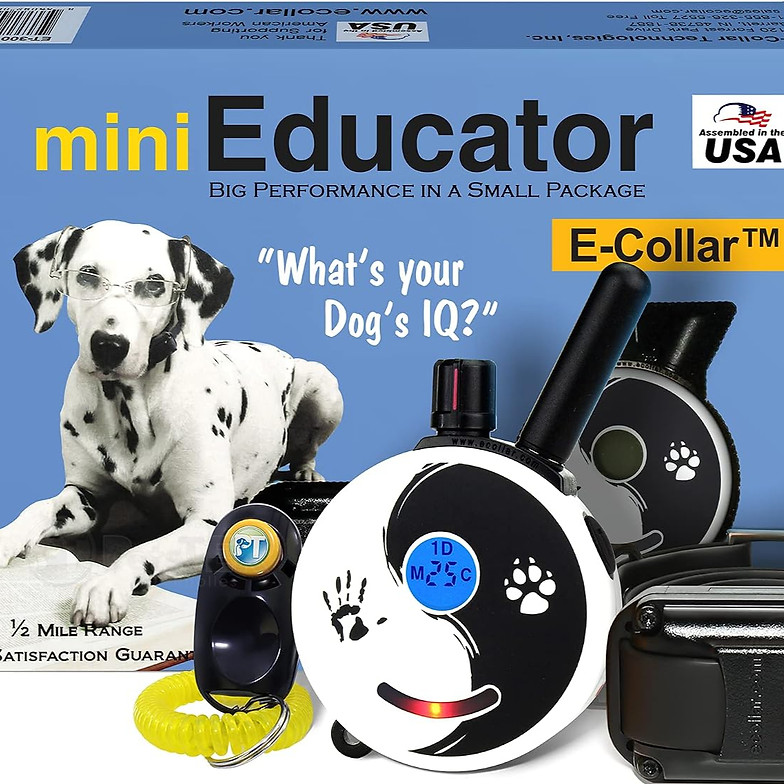
From standard flat collars to specialized training tools, the right fit makes a difference in communication. See our top recommendations for [dog training collars] here.
Dog Training Collars

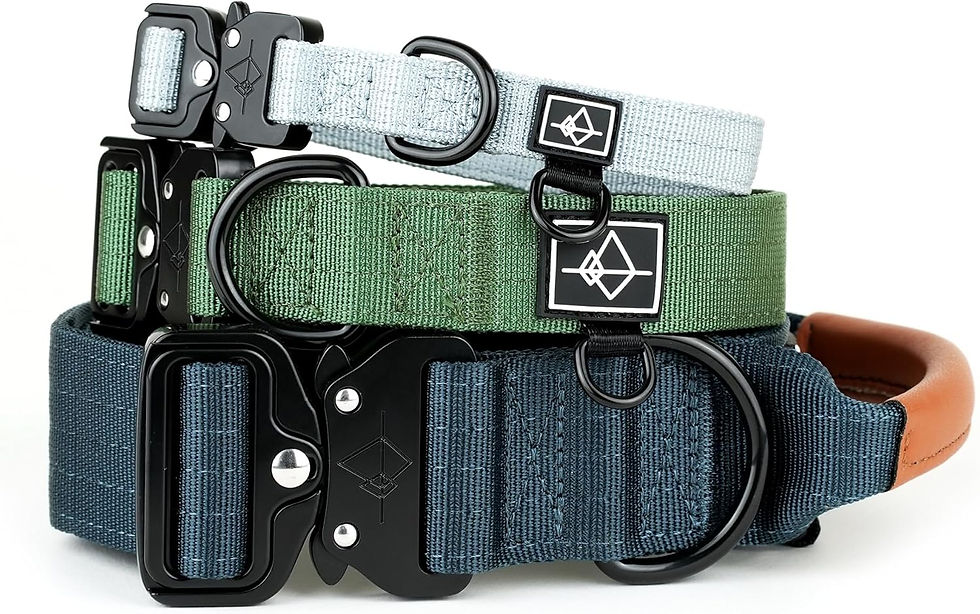
How to Choose Dog Training Equipment
Choosing the right dog training equipment is a fundamental step in establishing clear communication between you and your dog. At Bad Attitude K9, we believe that the tools you select act as a bridge, allowing for precise feedback and guidance during the learning process. The appropriate gear provides the necessary structure to build obedience and control, ensuring both safety and effective learning in various environments.
However, it is crucial to understand that equipment does not replace actual training. A tool is only as effective as the handler using it. While a specific collar or leash might help manage a behavior, true modification comes from consistent work, repetition, and a deep understanding of canine psychology. Tools are aids that facilitate the training journey, not shortcuts to a well-behaved dog.
- Age and Size: Puppies require gentler introductions than adult dogs, while large, powerful breeds need tools that can safely handle their strength.
- Behavior and Temperament: A high-drive, confident dog may require different feedback than a fearful or sensitive one.
- Training Goals: Gear for competition obedience differs significantly from tools needed for management during walks.
For owners dealing with reactive or aggressive dogs, professional guidance is non-negotiable. Using corrective tools without proper education can potentially escalate issues if the dog's mindset isn't correctly addressed. A professional trainer ensures that equipment is fitted correctly and used humanely to achieve reliable behavior without causing unnecessary stress or confusion for your K9 companion.
Dog Training Leashes
The right leash is the primary communication link between dog and handler. Whether you are working on recall or heel position, choosing one of the [best dog training leashes] is essential for safety and control.

Primary Training Tool
A high-quality training tool designed for durability and comfort during extended sessions.
Best use: General obedience and public walking.
- Check hardware regularly
- Maintain a firm grip

Expert Training Solution
A high-quality training tool designed for durability and comfort during extended sessions.
Best use: General obedience and public walking.
- Check hardware regularly
- Maintain a firm grip

Elite Training Gear 3
A high-quality training tool designed for durability and comfort during extended sessions.
Best use: General obedience and public walking.
- Check hardware regularly
- Maintain a firm grip
Dog Training Collars
Collars are vital for providing feedback and ensuring your dog remains safe. Selecting appropriate [dog training collars] requires understanding your dog's size and behavioral needs.


Advanced Tactile Lead
Durable construction designed to withstand daily training rigors while remaining lightweight.
Best use: Behavioral correction and obedience foundation.
- Ensure proper fit
- Never leave on unsupervised
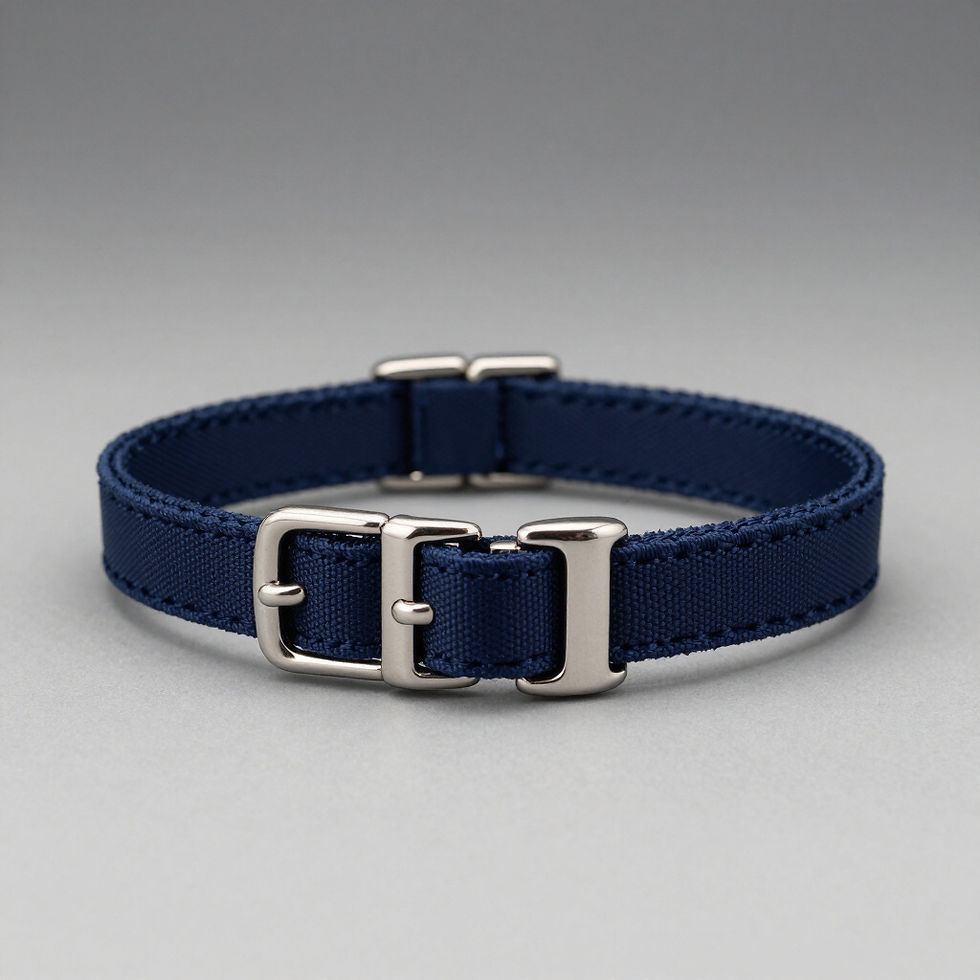
Elite Tactical Collar
Durable construction designed to withstand daily training rigors while remaining lightweight.
Best use: Behavioral correction and obedience foundation.
- Ensure proper fit
- Never leave on unsupervised
Puppy Training Supplies & Equipment
Starting your new companion off right involves using the best [puppy training supplies] to build confidence and positive associations from day one.

Puppy Training Tote
A portable tote for carrying your puppy training essentials.
Best use:
-
Walks
-
Hikes
-
Training sessions

Training Platform
Gives your puppy a defined space to practice focus, build confidence, and learn to stay calmly in one spot.
Best use:
-
Focus: Teach attention
-
Place: Teach staying put
-
Confidence: Build body awareness
-
Obedience: Practice commands
-
Calmness: Encourage self-control
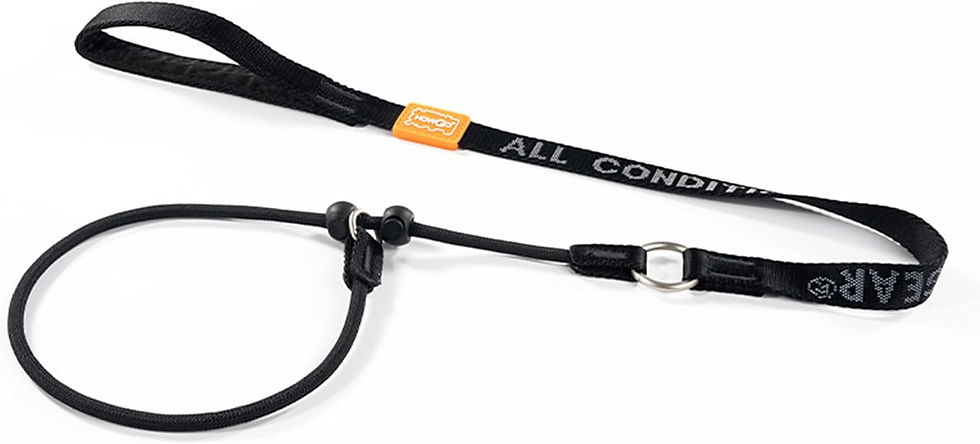
Puppy Slip Lead
A simple lead for quick, controlled puppy handling during training.
Best use: Puppy socialization and early obedience.
- Use positive reinforcement
- Keep sessions short
Dog Training Treats & Rewards
Motivation is key to success. High-value [dog training treats] can make the difference when working through challenging distractions.
Crate Training Supplies
A crate should be a safe haven. Finding the right [crate training supplies] helps create a positive environment.
Reactive Dog Training Equipment
Reactive dogs require specialized tools. Management tools properly are essential safe outings. [reactive dog training tools]
Dog Training Equipment for Aggressive Dogs
Safety first. Muzzles and robustness. [dog aggression training tools]
Dog Training Tools for Obedience
Precision skills. The right aids polish reliablity. [dog obedience tools]